Dental Implants Bakersfield CA for Restoring Function and Appearance
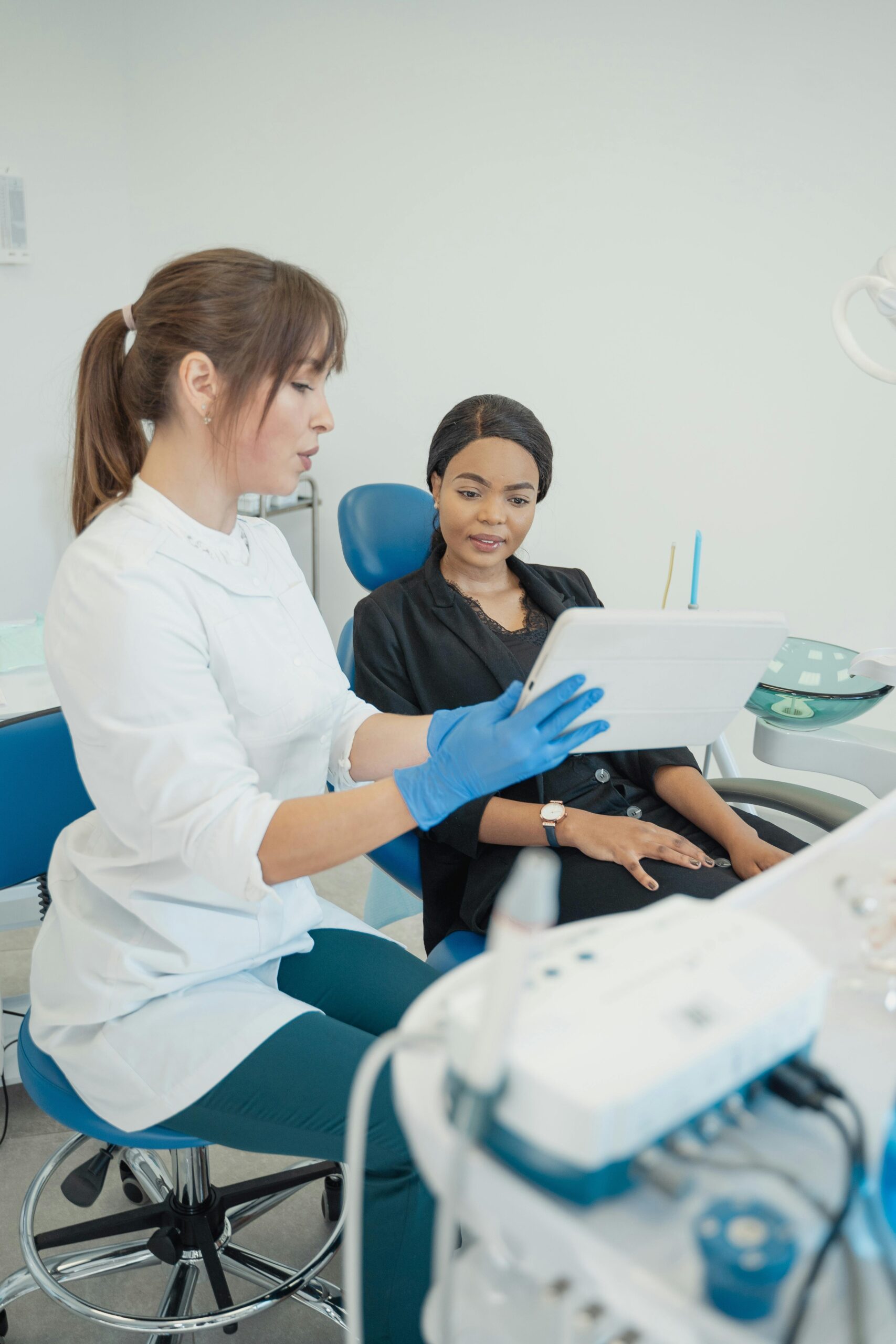
Losing a tooth changes more than a smile. It changes the way food feels, the way speech lands, and sometimes the way a person carries themselves in a room. I have seen people adapt in ways that are almost invisible to everyone else. They chew on one side. They avoid bright lipstick or broad laughter. They pass on steak, apples, and crusty bread without ever explaining why. Over time, those workarounds become habit, and habit can make a dental problem feel permanent even when it is not.
That is where dental implants enter the conversation. For many adults, they offer the closest thing to getting a natural tooth back, both in function and appearance. When patients ask about Dental Implants Bakersfield CA, they are usually not asking only about the implant itself. They are asking whether they will be able to eat comfortably again, whether the replacement tooth will look believable, whether the process will hurt, and whether the investment will hold up for years. Those are the right questions, and the answers depend on anatomy, health history, planning, and expectations.
Bakersfield patients often bring a practical mindset to treatment. They want clear information, realistic timelines, and a result that fits daily life. That approach makes sense. Dental implants are not a cosmetic shortcut. They are a restorative treatment with strong potential, but they work best when people understand what they can and cannot do.
What makes an implant different from other tooth replacements
A dental implant replaces the root of a missing tooth, not just the part visible above the gumline. A small titanium or ceramic post is placed in the jawbone, where it heals and bonds with the bone over time. After healing, that post supports a custom crown, bridge, or denture component. The result feels more stable than a removable appliance and helps preserve the underlying bone in a way a traditional bridge or removable denture cannot.
This root-level support matters more than many people realize. When a natural tooth is lost, the surrounding bone no longer receives the same stimulation from biting and chewing. Bone in that area can gradually shrink. That shift may change the fit of neighboring teeth, affect the contour of the gums, and in some cases alter facial support over the years. An implant does not stop aging, and it does not prevent all bone changes forever, but it does help maintain the area far better than leaving a gap untouched.
Patients often compare implants with bridges because both can restore a missing tooth. A bridge can be an excellent option in the right case, especially when neighboring teeth already need crowns. Still, a bridge usually relies on the teeth beside the gap for support. That means healthy enamel may need to be reshaped. An implant stands on its own. For many people, that independence is one of its biggest advantages.
Why restoring function usually matters first
Most people say they care about appearance, and they do. But once the conversation gets more specific, function usually rises to the top. They want to chew without thinking about it. They want to bite into a sandwich without feeling the replacement move. They want words like “fifty” and “sister” to sound normal again if a front tooth or several teeth have been missing.
The mouth is a coordinated system. Teeth guide the jaw. The tongue relies on tooth position for speech. Muscles work around the expectation that certain surfaces will be there when needed. When a tooth is missing for a long time, the body compensates, but those compensations are rarely ideal. An implant-supported restoration can often bring a person back to a more natural chewing pattern, and that can reduce strain elsewhere.
There is also a nutritional side to this that does not get enough attention. When chewing becomes difficult, diets tend to narrow. Crunchy produce, fibrous proteins, nuts, and whole grains are often the first to go. Softer food is easier, but not always healthier. I have heard patients say they did not realize how much they were avoiding until they got their tooth restored and started eating normally again. That kind of change may seem small, yet it often improves quality of life more than the mirror ever could.
Appearance is not just about the crown
People sometimes imagine the visible crown is the main reason one implant looks natural and another does not. The crown matters, of course, but so do the gumline, the shape of the tissue, the position of the implant, and the bone underneath. This is especially true in the front of the mouth, where a tiny mismatch can catch the eye.
A well-done implant restoration should fit the smile rather than announce itself. Shade is only one part of that. Surface texture, translucency, contour, and the way the crown emerges from the gum all influence the final result. If a patient has a high smile line, where a lot of gum shows, planning becomes even more exacting. In those cases, an implant may still be the best option, but the margin for error is smaller.
This is one reason thorough planning matters so much. The visible outcome starts long before the crown is made. It begins with imaging, evaluation of the bone and gum tissue, and the decision about where the implant should sit in three-dimensional space. A restoration can only look as good as the foundation allows.
Who tends to be a good candidate
Many adults are candidates for dental implants, including older adults who assume they have missed the window. Age by itself is rarely the deciding factor. Bone quality, overall health, oral hygiene, and healing capacity matter more. Controlled diabetes may be compatible with successful treatment. Past gum disease does not automatically rule it out either, though it raises the need for careful management and maintenance.
Smoking deserves direct discussion. Some smokers still receive implants, but tobacco use increases the risk of complications, slower healing, and long-term failure. The same goes for untreated periodontal disease. An implant is not immune to inflammation. It can develop peri-implant disease, which is similar in some ways to gum disease around natural teeth. Patients who assume an implant is “maintenance free” are often surprised later, and not in a good way.
Bone volume is another common concern. If a tooth has been missing for a while, there may not be enough bone left to support an implant ideally. That does not always end the conversation. Bone grafting can often rebuild the site, though it adds time, cost, and healing. In the upper back jaw, sinus anatomy can also affect the plan. These are not unusual issues in implant dentistry. They just need honest evaluation before treatment begins.
What the process typically looks like
For someone new to implant treatment, the timeline can feel longer than expected. That is because the body needs time to heal between stages. In a straightforward single-tooth case, the process may move from consultation to placement to healing to final crown over several months. More complex cases may take longer, especially if grafting or full-mouth reconstruction is involved.
The early phase usually includes records, imaging, and a treatment plan. Three-dimensional scans have improved planning significantly because they show bone width, height, and nearby structures such as nerves and sinuses. Once the site is ready, the implant is placed surgically into the bone. Many patients are surprised that this step is often easier than they feared. The recovery is commonly described as soreness and pressure rather than severe pain, though experiences vary.
Healing after placement is not simply waiting. During that period, the implant integrates with the bone. Once the area is stable, the restorative phase begins. That can include an impression or digital scan, fabrication of the final crown, and careful adjustment of the bite. The last step may look small from the outside, but bite refinement matters. A crown that is even slightly overloaded can cause problems over time.
When immediate implants make sense, and when they do not
There is understandable interest in “teeth in a day” concepts and immediate implant placement. In the right situation, an implant can sometimes be placed at the same visit as a tooth extraction, and a temporary restoration may be attached soon after. That can shorten treatment and help preserve gum contours, particularly in visible areas.
Still, immediate treatment is not automatically better. It depends on the presence of infection, the condition of the surrounding bone, the patient’s bite, and whether the implant can achieve good primary stability at placement. Some cases need a slower approach for the best long-term result. Patients often appreciate speed, but they appreciate predictability even more once the trade-offs are explained clearly.
I have found that the best treatment plans are often the ones that resist the temptation to force one protocol onto every patient. The mouth does not care about marketing language. It responds to biology, mechanics, and time.
Full-arch implant solutions have changed life for many denture wearers
People who have worn removable dentures for years often describe a particular kind of frustration. The denture may look acceptable in photographs, but it shifts during meals, rubs sore spots, and limits confidence in public. Lower dentures are especially notorious for instability because they have less surface area and more tongue interference.
Implant-supported full-arch treatment can transform that experience. In some cases, a denture can snap onto implants and become much more secure. In others, a fixed full-arch prosthesis is anchored in place and removed only by the dental team for maintenance. The difference in stability can be dramatic. Patients frequently report that they can chew more effectively, speak with less worry, and feel more like themselves.
That said, full-arch treatment is not minor dentistry. It requires careful planning, realistic discussion of cost, and a commitment to maintenance. Access for cleaning, material choices, and bite forces all influence longevity. A fixed bridge may feel liberating, but it still needs professional follow-up and home care adapted to its design.
Costs, value, and what people are really paying for
One reason people search for Dental Implants Bakersfield CA is to compare fees. That is reasonable. Implant treatment can be expensive, and the price range may vary depending on the provider, the materials used, the need for grafting, sedation, and the complexity of the final restoration.
But the fee is not just for a screw and a crown. It covers diagnostics, surgical skill, restorative planning, lab work, components, follow-up, and responsibility for the outcome. A lower quote can look attractive until it leaves out essentials such as imaging, temporary restorations, or management of complications. On the other hand, the highest fee is not automatically the best choice either. Patients do well when they ask what is included, who performs each phase, what the expected maintenance will be, and how problems are handled if they arise.
A practical way to think about value is longevity tied to comfort and function. If an implant lasts many years and lets a person eat confidently, smile comfortably, and avoid repeated replacement of less durable alternatives, the economics can look different over time. That does not mean implants are always the right financial choice for every patient. It means the cheapest short-term option can become costly if it fails to solve the real problem.
Questions worth asking at a consultation
A strong consultation should leave a patient better informed, not more confused. If you are exploring treatment, a few questions can quickly reveal how carefully the case is being approached:
- Am I a candidate for an implant now, or do I need grafting or periodontal treatment first?
- Who will place the implant, and who will make the final restoration?
- What are the main risks in my specific case, including esthetic limitations?
- How long should the full process take, from surgery to final crown or bridge?
- What kind of maintenance will I need at home and in the office?
These questions are not confrontational. They are practical. Good clinicians generally welcome them because implant success depends on understanding as much as technique.
Recovery is usually manageable, but not identical for everyone
After placement, many patients do well with a few quieter days, soft foods, and routine post-operative instructions. Swelling and tenderness often peak within the first couple of days and then improve. Most people can return to desk work quickly, though jobs involving heavy physical exertion may call for a bit more caution at first.
The harder recoveries tend to occur when treatment is more extensive, multiple implants are placed, or grafting is involved. Anxiety can also shape the experience. Someone who expects a crisis may feel every sensation more intensely, while someone who understands the normal course https://www.google.com/maps?cid=17479708580987630325 often handles recovery with more confidence. Neither reaction is unusual. The point is to prepare honestly.
Temporary teeth, when used, need respect. Patients sometimes feel so relieved to have something in place that they test it too soon with hard or sticky foods. That can jeopardize early healing. Implant treatment rewards patience. The more carefully the first few months are handled, the better the odds that the restoration will serve well later.
Maintenance is where long-term success is protected
Implants do not get cavities, but they can absolutely fail if neglected. Plaque still matters. Inflammation still matters. Bite forces still matter. A beautifully restored implant can deteriorate if a patient disappears for years, lets gum disease progress elsewhere in the mouth, or grinds heavily without protection.
Daily care usually includes attentive brushing and cleaning around the implant with tools appropriate to the restoration design. Regular professional maintenance allows the team to monitor bone levels, tissue health, and bite wear. In patients who clench or grind, a night guard may be advised to protect both implants and natural teeth.
Some of the longest-lasting implants I have seen were not in perfect mouths. They were in mouths owned by people who showed up, followed instructions, and took maintenance seriously. That consistency often matters more than chasing perfection at the start.
Situations where an implant may not be the best answer
Despite their strengths, implants are not mandatory and they are not ideal for every scenario. A patient with significant medical instability, poor healing potential, uncontrolled periodontal disease, or limited ability to maintain oral hygiene may be better served by another option. A conventional bridge, a removable partial denture, or even delaying treatment until health factors improve can be the wiser path.
There are also esthetic edge cases where replacing a single front tooth with an implant is technically possible but still challenging to make truly seamless, especially after trauma or severe bone loss. In some of those cases, alternative approaches deserve careful discussion. Good treatment planning is not about proving that implants can be done. It is about deciding when they should be done.
Why local evaluation matters in Bakersfield
Every region has its own patient patterns, referral networks, and expectations. In Bakersfield, people often want care that is efficient, straightforward, and rooted in trust. They tend to value seeing images of their own anatomy, hearing the reasoning behind a recommendation, and understanding where the finish line is before they begin. That is a healthy way to approach implant treatment.
A local evaluation also matters because implant dentistry is not only about surgery. It is about coordination. If one clinician places the implant and another restores it, communication between them should be clear. If additional services such as grafting, periodontal therapy, or extractions are needed, the sequence should make sense from the start. That kind of coordination often has a direct impact on comfort, timeline, and final appearance.
For patients researching Dental Implants Bakersfield CA, the real goal is not just to find a provider who offers implants. It is to find a team that can assess the whole picture, explain the trade-offs without overselling, and deliver a result that works when the patient is back to normal life, eating dinner, speaking in meetings, and smiling without calculation.
Restoring a missing tooth is partly a technical act, but it is also a personal one. It gives people back routines they had quietly lost. It lets them stop managing around a problem and start using their mouth without second-guessing every bite or every laugh. When implants are chosen carefully and maintained well, that return to ordinary function often feels extraordinary.
Smyle Dental Bakersfield
2016 E St, Bakersfield, CA 93301, United States
+16614939040
FAQ About Dental Implants Bakersfield CA
What is the downside of a dental implant?
The main downsides of dental implants involve high financial costs, surgical risks, a lengthy healing process, and the potential for long-term complications.
How much does a full set of implants usually cost?
A full set of dental implants (covering both the upper and lower arches) typically ranges from $6,000 to $90,000+, depending heavily on the type of treatment, materials used, and whether the teeth are fixed or removable.
Can I have all my teeth pulled and get implants?
Yes, you can have all your teeth pulled and replaced with dental implants. Instead of placing a separate implant for every single tooth (which is costly and time-consuming), dentists typically use full-arch systems.
Ends · BEAUIKJV918